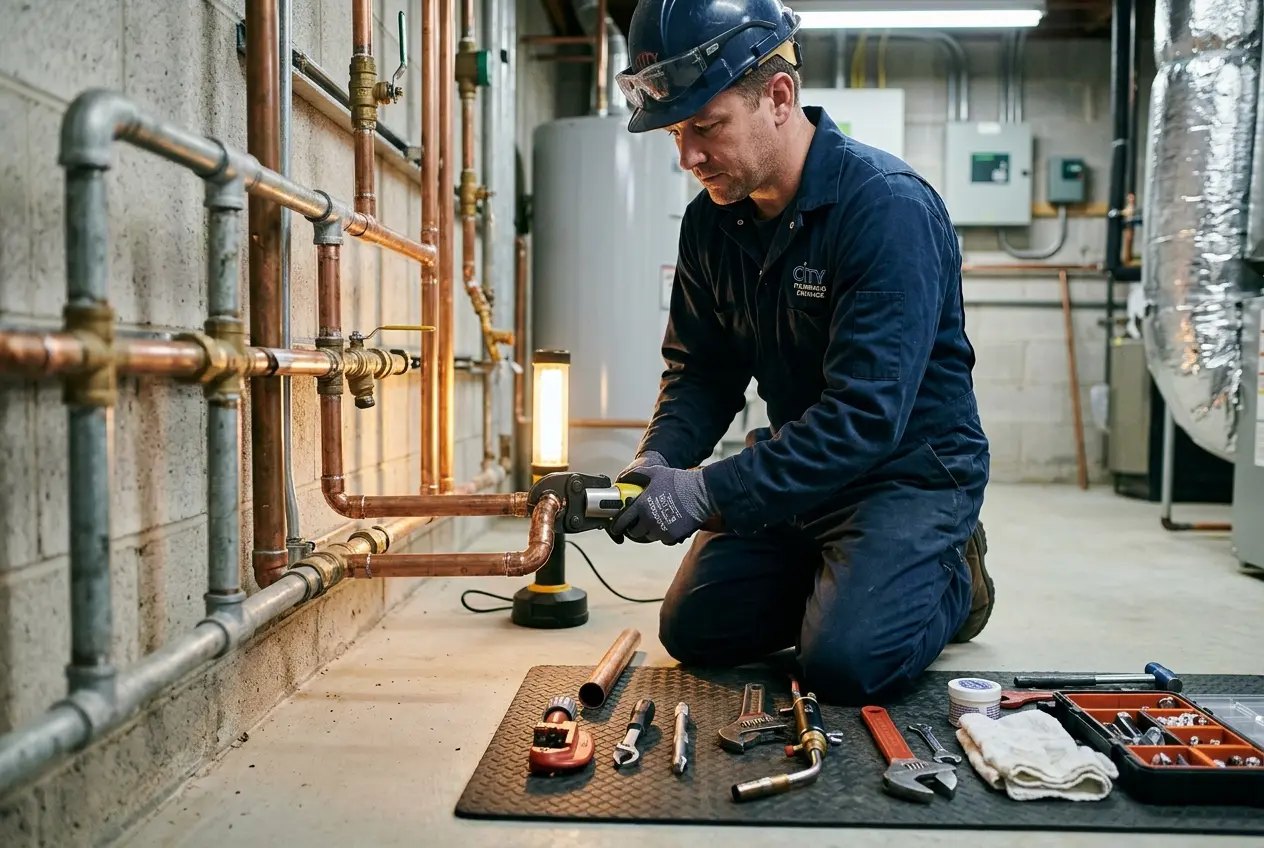
Few cities have Atlanta's variety of plumbing materials - from century-old cast iron in Inman Park to brittle CPVC in 1990s subdivisions. We approach each repair differently.
For historic homes, we preserve original pipes where possible using sleeve repairs and epoxy liners. When full replacements are needed, we match modern materials to the home's character - copper for Craftsman details, concealed PEX for contemporary remodels.
Clay soil areas get special attention. We install expansion loops in water lines and use flexible couplings at foundation penetration points to accommodate soil movement. Sewer line replacements include extra cleanouts for easier maintenance when roots invade - a frequent issue near Atlanta's mature oaks.
For historic homes, we preserve original pipes where possible using sleeve repairs and epoxy liners. When full replacements are needed, we match modern materials to the home's character - copper for Craftsman details, concealed PEX for contemporary remodels.
Clay soil areas get special attention. We install expansion loops in water lines and use flexible couplings at foundation penetration points to accommodate soil movement. Sewer line replacements include extra cleanouts for easier maintenance when roots invade - a frequent issue near Atlanta's mature oaks.
Our Process
- 01 Step 1: Camera inspection to identify failure points and material type
- 02 Step 2: Discussion of repair vs. replacement options with lifetime cost estimates
- 03 Step 3: Minimally invasive access planning (we avoid unnecessary demolition)
- 04 Step 4: Installation with soil movement provisions where needed
Benefits
- Material-specific repair methods
- Clay soil adaptation techniques
- Historic preservation approaches
- 10-year warranty on full replacements
Frequently Asked Questions
Why do my pipes bang when it rains?
Common in homes where pipes aren't properly secured against framing. Atlanta's humidity changes cause wood to expand/contract, loosening straps over time. We readjust with seismic-grade hangers.
Should I replace all my galvanized pipes?
Not necessarily. We test flow rates and corrosion levels first. Spot replacements often suffice unless you're renovating. Partial updates require special dielectric couplings to prevent electrolysis.
How deep are sewer lines buried here?
Typically 18-24 inches in our area - shallow compared to northern states. This makes them more vulnerable to root intrusion and clay soil shifts, requiring vigilant maintenance.